BC549 Transistor: Pinout, Equivalent and Difference

BC549 is a general purpose NPN transistor, it is most common in hobby circuits and switching circuit. in this post i’m sharing the pinout configuration, proper replacement of the transistor and comparison between the BC549 and BC547 transistor. This transistor is very sensitive so it can able amplify the small input signal to large current.

BC549 Transistor Pinout

BC549 transistor pinout
BC549 NPN Transistor

If you are holding the flat surface of this transistor in front, the left side pin is collector, center pin is base and right side pin is emitter. The detailed pinout configuration is given below in a table,

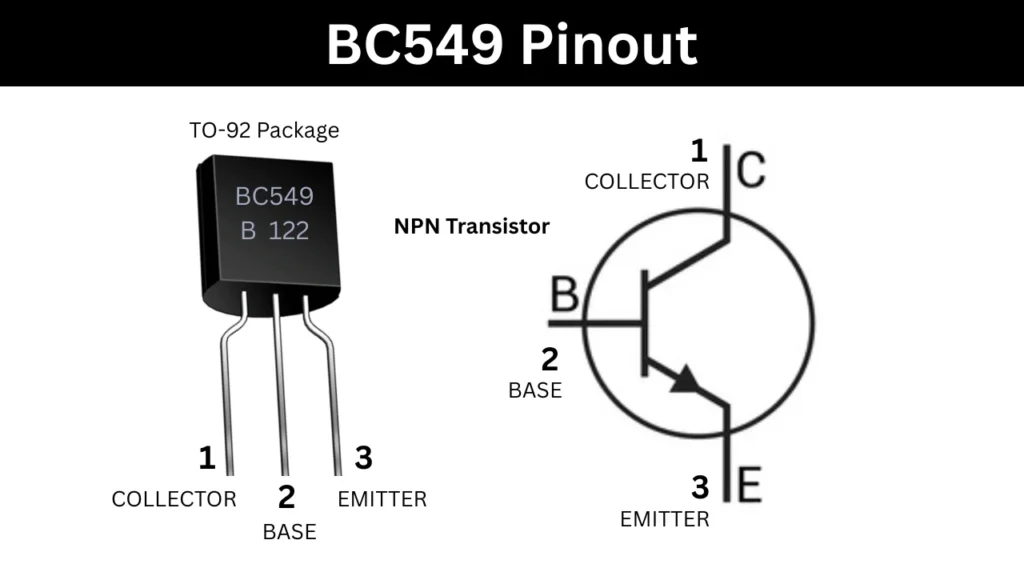
Pin NumberPin Name
1Collector
2Base
3Emitter
Table 1: BC549 Transistor pinout configuration

BC549 Transistor Specifications

ParameterSymbolValue / RangeUnit
Collector-Base VoltageVCBO30V
Collector-Emitter VoltageVCEO30V
Emitter-Base VoltageVEBO5V
Collector Current (DC)IC100mA
Peak Collector CurrentICM200mA
Peak Base CurrentIBM200mA
Total Power DissipationPtot500 (at ≤25 °C ambient)mW
Junction TemperatureTj150°C
Operating TemperatureTamb-65 to +150°C
Thermal Resistance (Junction-Ambient)Rth j-a250K/W
DC Current Gain (hFE)hFE420 – 800 (at IC = 2 mA, VCE = 5 V)
Collector-Emitter Saturation VoltageVCEsatMax 600 (at IC = 100 mA, IB = 5 mA)mV
Base-Emitter Saturation VoltageVBEsatMax 900 (at IC = 100 mA, IB = 5 mA)mV
Transition FrequencyfT100MHz
Noise FigureFMax 4 (at IC = 200 µA)dB
Package TypeTO-92 (SOT54)
Table 2: Transistor specifications

Equivalent Transistor for BC549

Difference Between BC549 vs BC547

ParameterBC549BC547Difference
Maximum Collector Emitter Voltage (VCEO)30V50VBC547 can handle higher voltages
Maximum Collector-Base Voltage (VCBO)30V50VBC547 again rated for higher voltage
Maximum Collector Current (IC)100 mA100 mASame for both
Power Dissipation (Ptot)500 mW500 mWSame for both
DC Current Gain (hFE)200-800110-800Similar ranges (depends on grade: A/B/C)
Noise FigureLow (≈ 2-4 dB)Higher than BC549BC549 is designed for low-noise operation
Transition Frequency (fT)100 MHz150 MHzBC547 may offer slightly higher speed
Package TypeTO-92TO-92Same
Application FocusLow-noise audio, RF stagesGeneral-purpose switching, amplificationUse BC549 where low noise matters
Table 3: diffrence between BC549 vs BC547

Applications

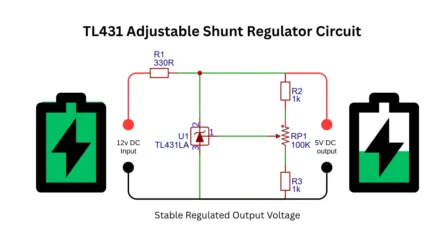
  • Voltage regulator
  • Oscillator circuit
  • Amplifier circuit
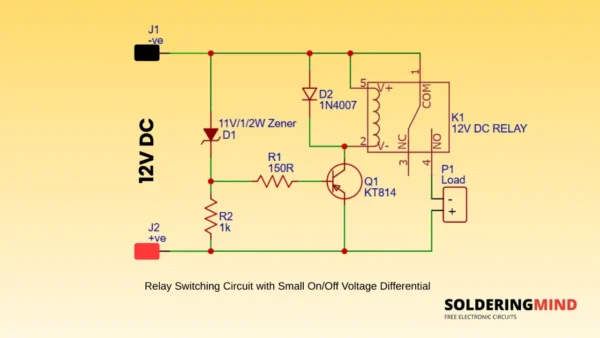
  • Switching applications like relay or LED.
Akhil Satheesh

Akhil Satheesh

Akhil Satheesh is an electronics expert and the Founder and CEO of Soldering Mind. He specializes in designing innovative electronic circuits and custom, high-performance PCB layouts. Every project he shares on solderingmind.com is rigorously bench-tested to ensure accuracy for makers and hobbyists alike.

Leave a Reply