Lithium lion batteries are high performance batteries found in electric scooters, modern inverters and your laptop also. The main problem of these types of batteries is maintaining a proper way of charging. Several DIY Li ion Battery charger circuits are available, while building one you need to consider some important points. So in this article i am sharing the information about the Proper Way to charge Lithium ion Batteries.
The Proper Way to Charge
Charging a lithium ion (Li-ion) batteries in a proper way is very essential for its long life, safety, and performance maintenance. The first and most important rule is to always use a compatible charger designed specifically for the Li-ion batteries. These batteries typically operate at a nominal voltage of 3.7V DC voltage per cell and reach full charge at 4.2V. The recommended charging method is by monitoring the voltage and current of the cell. where the battery is initially charged at a steady current until it reaches 4.2V after which the voltage is maintained while the current gradually decreases this indicating the cell is fully charged. You can also check this highly accurate 3.7v li-ion battery charger circuit using lm358. Using an uncertified or incorrect charger for charging your batteries will lead to overcharging, overheating, or even a fire hazard due to explosion.
Improving Li ion Battery Lifespan
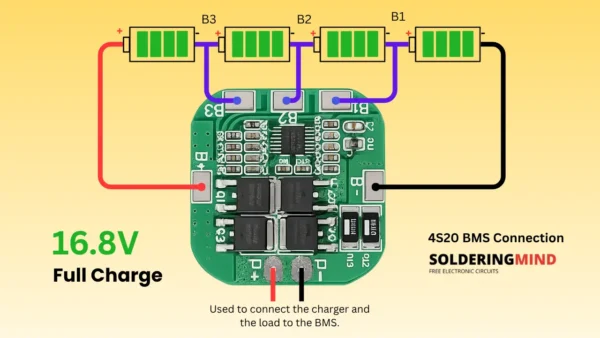
To maximize battery life avoid both overcharging and deep discharging of batteries. Overcharging beyond 4.2V per cell can cause irreversible damage and safety risks. Discharging below 2.5V per cell can also lead to permanent capacity loss of the cell. Most modern Li-ion chargers have built in protection to prevent these issues. But if you are working on a DIY project with Li-ion cells you must use a Battery Management System (BMS), which is essential. A BMS helps to regulate voltage and prevents over discharge. You can use Li ion Battery charge balance circuit to give additional protection.
Climate Conditions and Proper Care
The Temperature also plays a significant role in battery health. Li-ion batteries should be charged in a temperature range of 15°C to 45°C for optimal performance. Charging in extreme heat or cold conditions can degrade the battery and shorten its lifespan. Additionally, leaving a device plugged in long after it has reached 100% charge can also stress the battery over time lead to damage. Most of the modern devices have smart charging features, it is still a good practice to unplug the charger once the battery is fully charged to prevent unnecessary strain.
Last word
If you need to store a Li-ion battery for an extended period, it is best to keep it at a 40-60% charge level in a cool and dry place. Storing a battery fully charged or completely discharged for a long time can lead to capacity loss and reduced lifespan. Use a 12V battery Level indicator to continuously monitor battery voltage. Proper charging habits and storage conditions will make your battery last longer and perform efficiently. By following these simple guidelines, you can keep your Li-ion batteries safe and in good working condition for years.