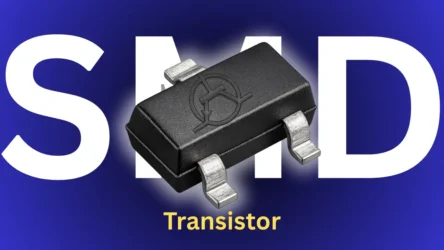
A transistor is a semiconductor electronic component, it can use for amplifying the audio signals, RF signals and switching the output voltage also. in this article Learn how to use a transistor as a switch with simple explanations, circuit diagrams and simple practical examples. You will get the idea about the types of transistors, switching mode and some common mistakes you should avoid.
Introduction
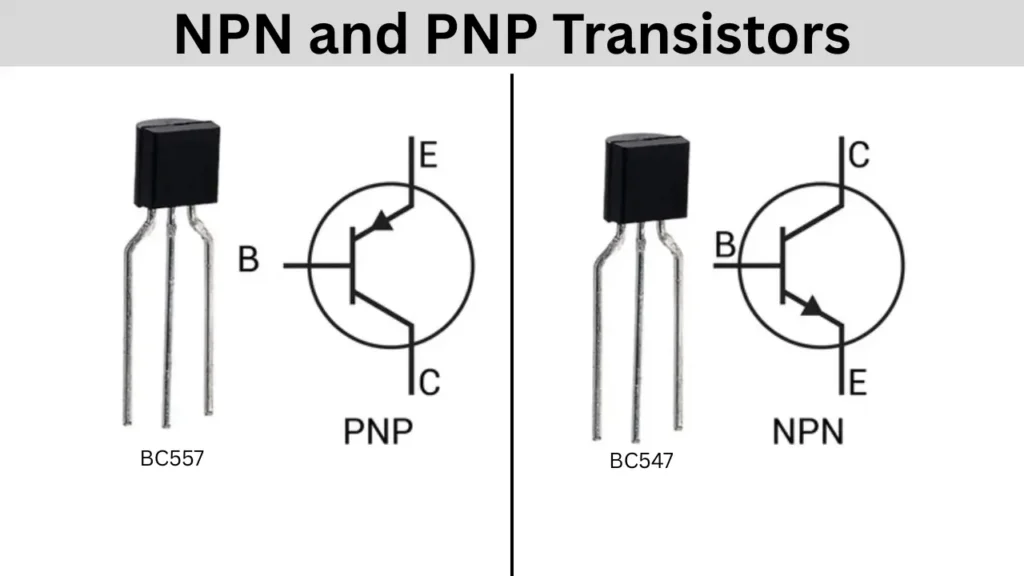
The transistors are smaller or larger in size and shapes but the function and its working is the same. This semiconductor component has three terminals. Which are Base, collector and emitter. This is called BJT transistors or bi polar junction transistors. If you provide a small voltage in the base pin the transistor will amplify the signal and give large signals. Also the transistor can handle high power current based on very low voltage input base voltage.
How a Transistor Works
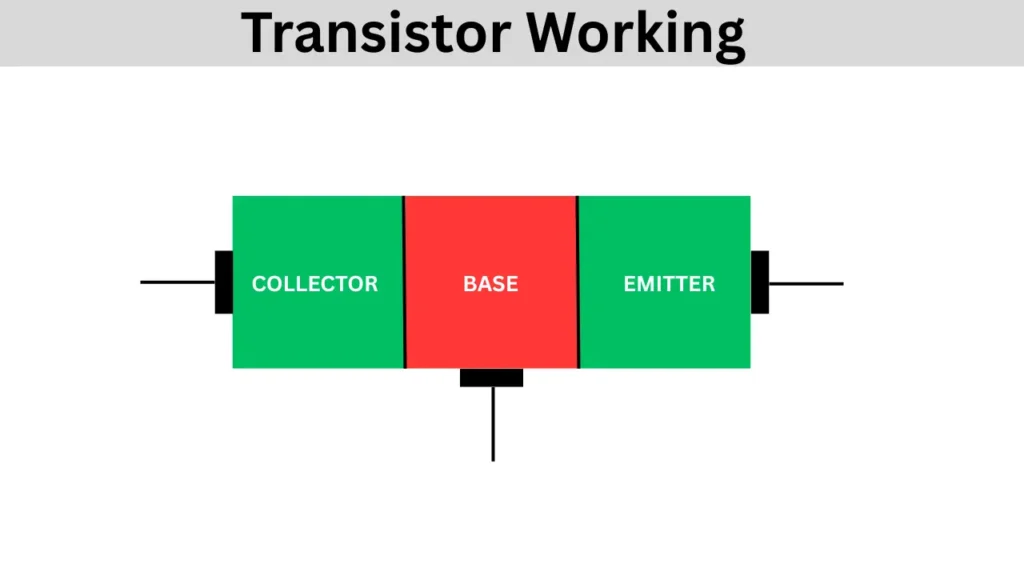
The transistor is working based on the input base voltage. This small input voltage controls the large collector emitter current. If the base voltage is adjusting you can control the flow of current in collector-emitter pins.
In bipolar junction transistors a resistor based base voltage is given to turn or off the transistor or amplifying the input signals.
When the base emitter junction is forward biased, current flows and the transistor will turn on is called saturation mode. When there is no base current this time the transistor is off and is called as cutoff mode.
Using Transistor as a Switch
When a transistor acts as a switch there are two modes you need to understand, which are saturation mode and cutoff mode. The saturation mode means ON state and cutoff mode means the OFF state of the transistor.
1. Saturation Mode or ON State of Transistor
In this mode of operation the transistor acts like a closed switch. If the sufficient input base current is applied to the transistor will cause the large current flow between the collector and emitter pins.
2. Cutoff Mode or OFF State
The cutoff mode of the transistor acts like an open switch, there is no current flow occurring. There is no input base current to the BJT transistor there is no current flowing through the emitter and collector pins of the transistor. This state is called cutoff mode or OFF state.
Circuit Diagram
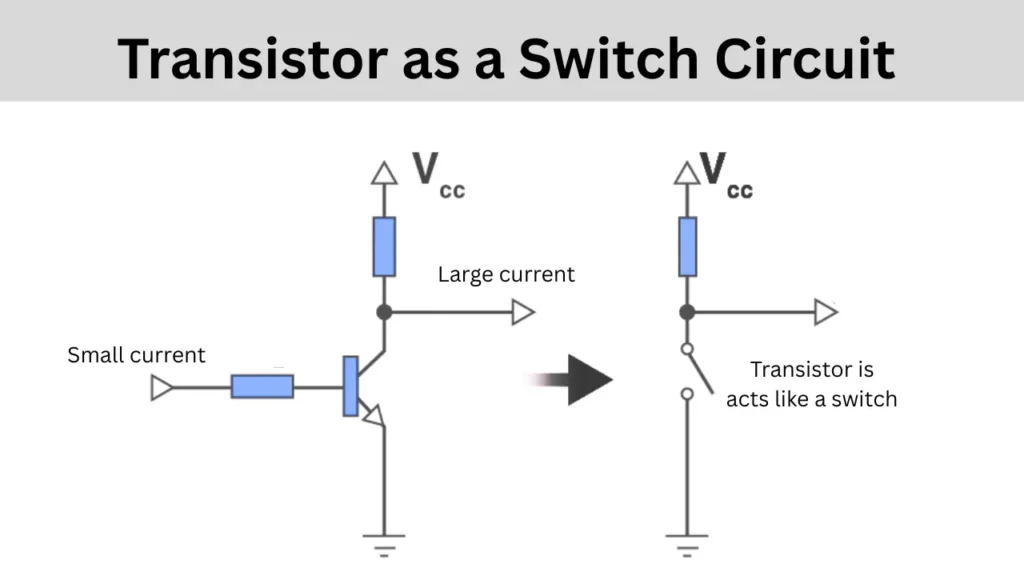
This circuit diagram shows how a transistor works as a switch. if you applied a small current to the base of the NPN transistor through a resistor. The transistor will turn ON and it allowing a larger current to flow from the collector to the emitter pin. The resistor connected to the base limits the input current to a safe level and it will preventing the damaging of the transistor.
When the base current is applied the transistor enters in saturation mode and it will acts like a closed switch. In closed switch mode circuit completed and the connected load (e.g., an LED or motor) receives power. When there is no base current is applied the transistor is in cutoff mode or OFF state. This is behaving like an open switch. In Open switch circuit no current flows through the collector to emitter and the connected load load remains off.
Advantages of Using a Transistor as a Switch
- A small input current or voltage can control a much larger output current, so it is best choice for microcontroller circuit.
- Long life than mechanical switch.
- Fast switching speed.
- Compact in size.
- Low cost to setup.