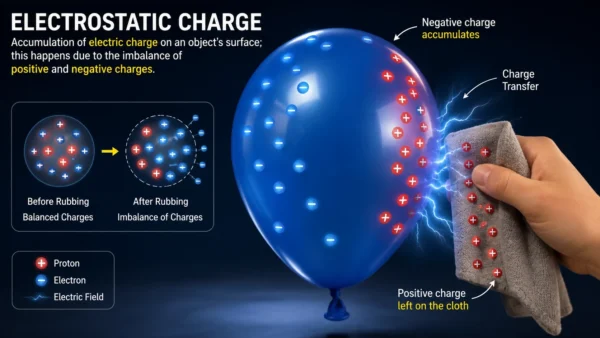
When we make certain materials together, they can cause chemical reactions. This is when the atoms of one material interact with the atoms of another material. During this interaction atoms are born together or break apart electrons can also be released or captured by atoms during this reaction.
when we talk about Atoms, you usually hear the term ion used. An ion is an atom which has an unequal number of protons or electrons.
An atom has a neutral charge when it has the same number of protons and electrons, because the protons are positively charged electrons are negatively charged so they balance out.
If the atom has more electrons and protons, then it’s a negative ion. If the atom has more protons and electrons, then it’s a positive ion Rather than trying to understand this complex construction.
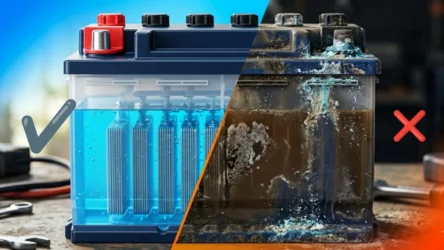
Working of Lead Acid Battery
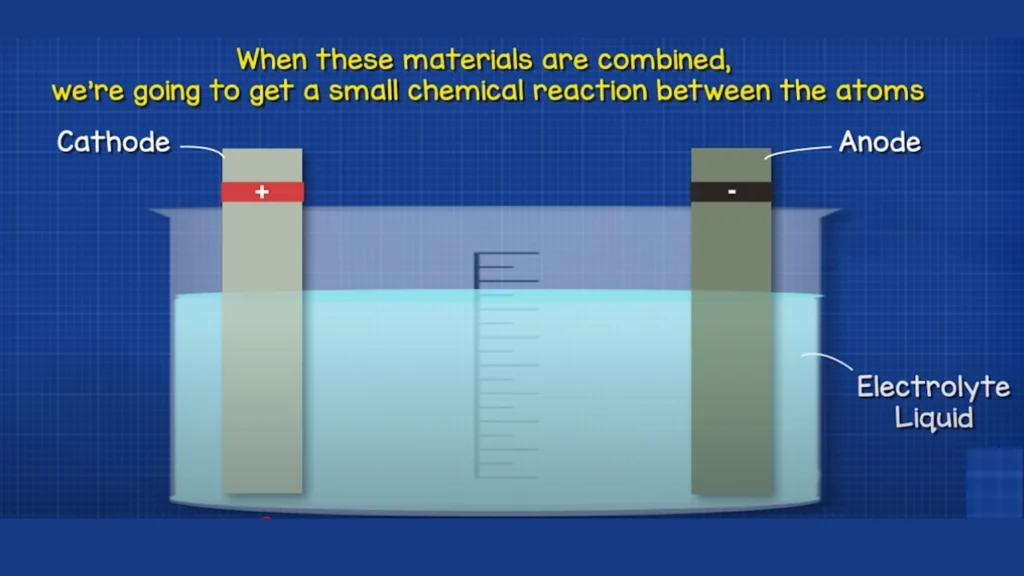
We’re going to simplify down to the simple model of a cell with a single cathode and an anode in the cell, we have the electrolyte liquid which is 1/4 the sulphuric acid and 2/3 water.
We have the positive electrode which is the cathode, This is made from lead oxide. We didn’t have the negative terminal, which is the Anode This is made from pure lead.
when these materials are combined, we going to get a small chemical reaction between the atoms I’ll show the atoms of these material materials with these colour spheres. The positive terminal of lead oxide is going to react with sulphate in the electrolyte.
This will form a layer of lead sulphate on the cathode terminal during this reaction and oxygen ion is ejected from the cathode and into the electrolyte. Once in the electrolyte, these oxygen ions will combine with the hydrogen ions to form water, at the same time the lead atoms on the anode are going to react with the sulphate ions in the electrolyte this reaction, creates a layer of lead sulphate around the electrode.
During this reaction, two electrons are released and collected in the negative terminal. So now we have a buildup of electrons on the negative terminal as electrons are negatively charged.
This means we have a difference in charge across the two terminals and we can measure this with a volt-meter multimeter. If you think about a magnet electrons are negatively charged and so they repel each other.
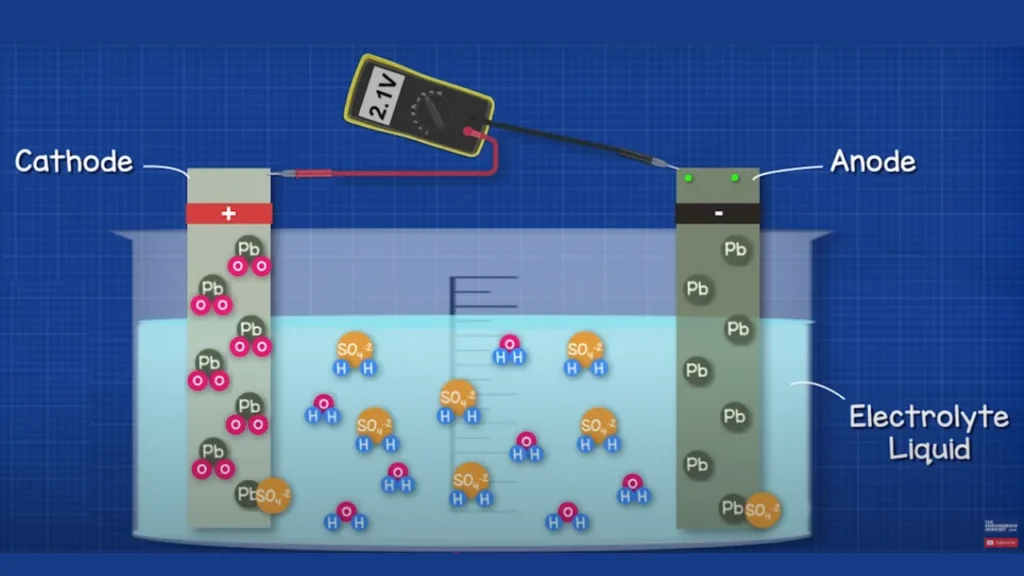
These are attracted to the positive terminal which has fewer electrons. However, they can’t reach this yet so if we provide power for the electrons such as a wire, then electrons will flow through this to get to the positive terminal.
We can then place things such as a lamp in the way of these electrons and use them to do work such as illuminating the lamb while the path exists. The chemical reaction continues, this won’t last forever. The chemicals required for the reaction will run out the acid becomes diluted and weaker and a buildup of lead sulphate coats both of the electrodes.
Lead Acid Battery Charging Condition
This means the materials of the electrons are becoming more similar. So the chemical reaction becomes harder to achieve, but luckily this chemical reaction can be reversed, so if we supply the battery with electricity from the alternator, we can start to reverse a reaction.
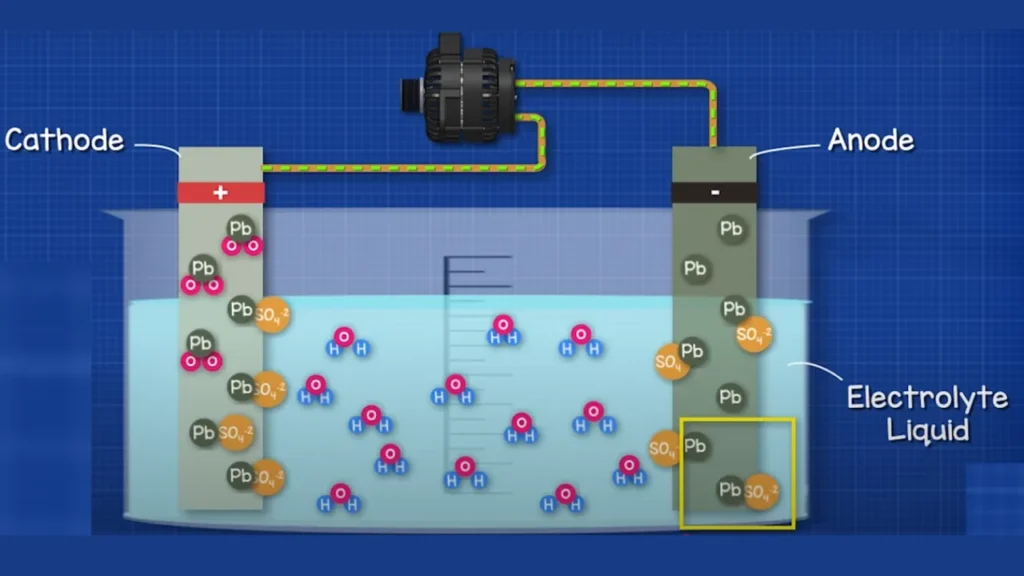
The electrons enter the negative terminal and rejoin with the lead sulphate, releasing the sulphate into the electrolyte to leave. Just lead on the negative plate. The sulphate ions enter the electrolyte and are combined with hydrogen irons to release the oxygen irons, and so the electrolyte acid becomes stronger.
The oxygen irons combined with a lead to great lead oxide, and this releases the sulphate back into the electrolyte, making it even stronger if we were to leave the battery to fully discharge for too long or too many times it becomes very difficult to reverse the chemical reaction. The sulphate layer could break away from the electros and accumulate at the bottom of the battery.
This means it will no longer participate in the chemical reaction to the battery needs to be repaired or replaced. So when we look at the battery, this chemical reaction occurs between every plate in every cell to provide the hundreds of amps of current to start the motor and also provide the voltage to power the lights, etc.