The future of smart devices are depending on how they are connect each other and share information. Two important technologies leading this change are IoT (Internet of Things) and LoRa (Long Range). The IoT works well in cities with fast internet but the LoRa is useful in remote places without network or power areas.
The 2035 IoT Landscape: Smart Networks and the Rise of LoRa
Imagine we are in the year of 2035. The world has become a web of intelligent machines. From smart shoes that warn you of posture issue. The fields where crops message drones when they’re thirsty. The Internet of Things (IoT) is full of opportunities and new innovative network to help people. It’s the bloodstream of a connected planet.
But behind this ultra smart world, two technologies have taken different paths The mainstream IoT is powered by a high speed networks connections. The LoRa is a quiet underdog that thrives in places with no Wi-Fi, no power and no fuss. Let’s dive into this futuristic tale.
In the City area the Domain of Mainstream IoT
In the bustling city of NeoTech, skyscrapers shimmer with solar panels, and autonomous vehicles glide silently. The IoT here is hyper connected. Billions of devices constantly communicate using 5G and Wi-Fi 7, transmitting HD video, real-time data, and even haptic feedback.
Ravi (a person) a city resident, wears a smart health band that monitors his heartbeat, oxygen levels, and even stress. It alerts his doctor in seconds if anything goes wrong. His fridge talks to his grocery app, and his air conditioner adjusts based on the pollen level outside. This is the world of cloud powered, bandwidth hungry IoT. Fast, intelligent, and integrated.
The LoRa’s Silent Revolution
Far from the city, in the hilly terrains of the Western Ghats, lives Maya ( a person) she is an environmental scientist. Her work involves tracking endangered species, monitoring river pollution, and helping tribal villages with clean water projects. Here, LoRa is the silent hero.
Using LoRaWAN, Maya’s low power sensors monitor water quality, soil moisture, and animal movement. These sensors transmit data across 15 kilometers without cell towers or internet. A single battery lasts years, not days. And the entire network works even if electricity is out for weeks. For Maya, LoRa isn’t just useful and it’s necessary.
IoT vs LoRa Complement or Competition?
IoT vs LoRa, It’s not about which one wins. It’s about where they win. In urban areas the IoT thrives with smart homes, real time analytics and instant cloud access.In rural or remote zones, LoRa reigns it’s quietly, efficiently, and reliably.
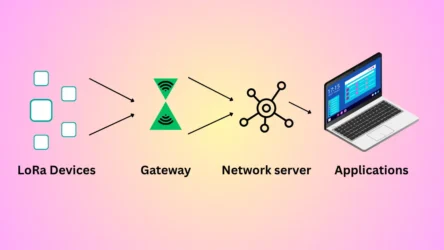
In some cases, both work together: a LoRa device in the field sends alerts to a city control room via a 5G gateway. Security, interoperability, and data ownership have improved. Governments and industries now blend both technologies to create resilient systems.
Conclusion
The IoT is fast, powerful, and great for cities. LoRa is simple, quiet, and perfect for faraway places. They are not enemies. They are teammates.